AI Safety
& Society
A small exhibition of artworks and hands-on pieces about what increasingly capable AI could mean for the rest of us, and what we can still decide about it.
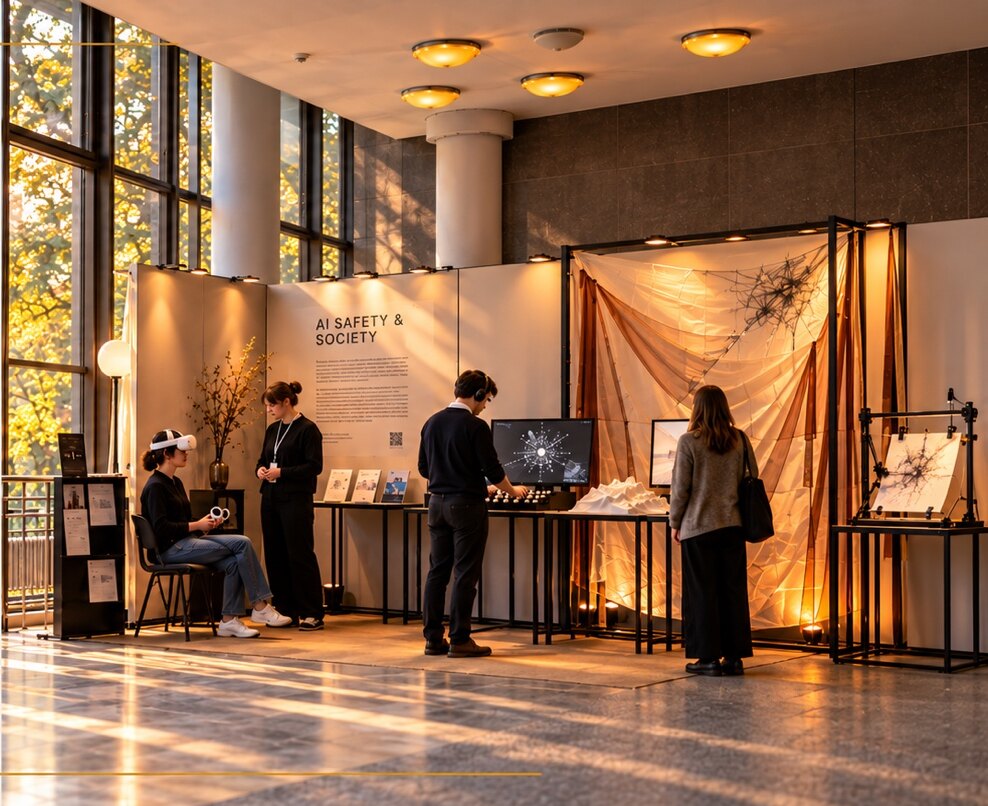 Concept image made with an image generator. The works shown are placeholders.
Open call
Open now, with pitches reviewed on a rolling basis for the Foresight Node and later venues. If you pitched by 12 October, you'll hear from us by 19 October. Read the open call
About the exhibition
For anyone who has wondered where this is all going
Most of what's written about the risks of AI is aimed at specialists: research papers, policy briefings and long arguments online. We think the questions matter to everyone, and that many people would rather come across them in a room, where they can try something for themselves and talk it over with whoever is standing next to them.
AI Safety & Society brings together artworks, interactive pieces and short explainers by artists, makers and researchers. None of it assumes you know how AI works. Some pieces show what today's systems can already do and where they go wrong; others ask what a future with far more capable systems might look like, and who gets to shape it.
We're choosing the works around three questions.
How mistakes, misuse and weak oversight can cause harm, and what might reduce that harm as systems become more capable.
Even if the worst risks never come to pass, AI could reshape work, politics and everyday life within a decade. What might that look like, and which parts of it would we choose?
Decisions about AI are mostly being made by a small number of people. Where can everyone else still influence them, and what would it take?
Visit
Where to see it
EAGx Berlin
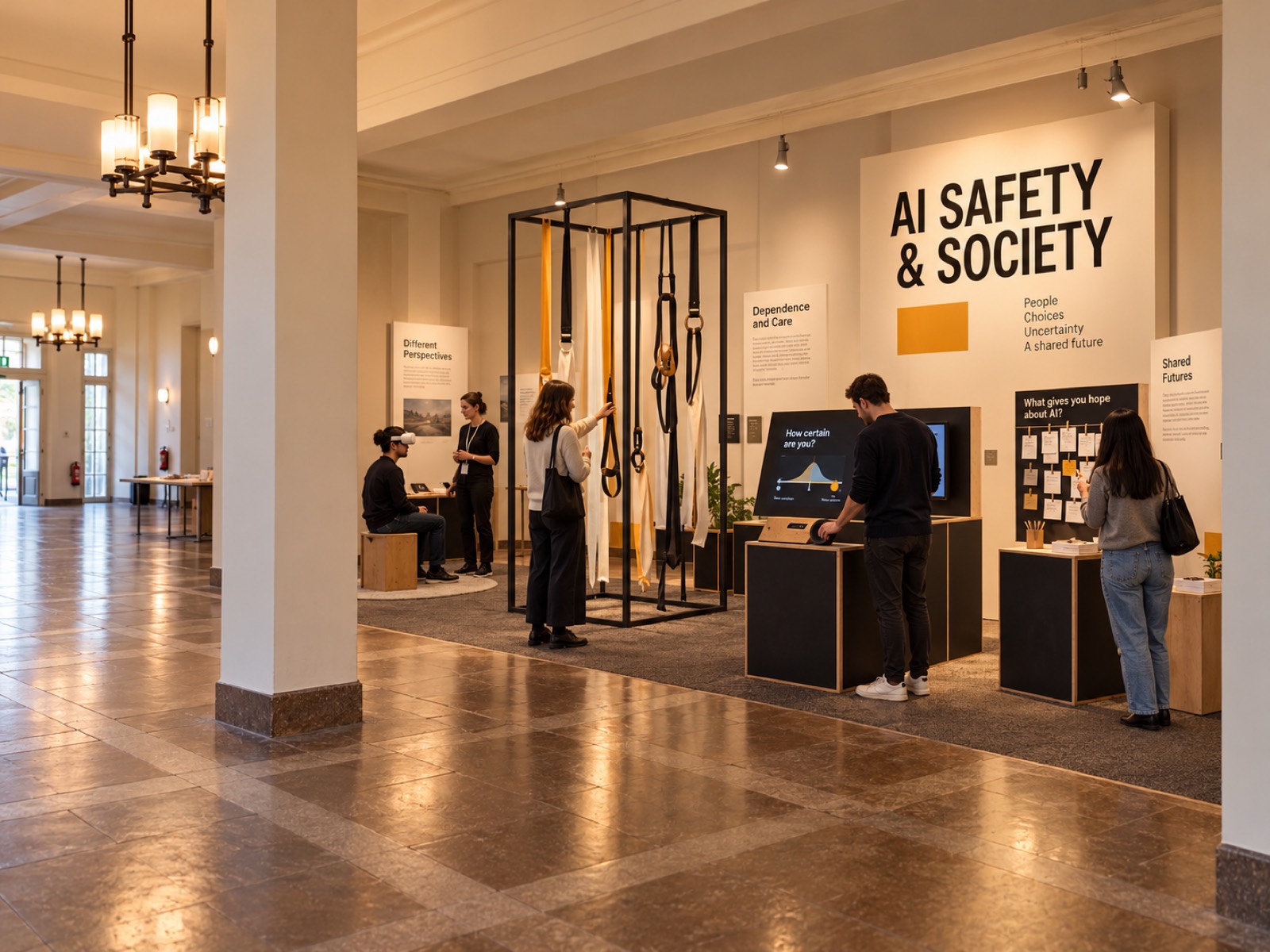
The first showing, in about 28 m² inside the conference. If you're not attending EAGx and would like to visit, ask us about access.
Foresight Institute Berlin Node
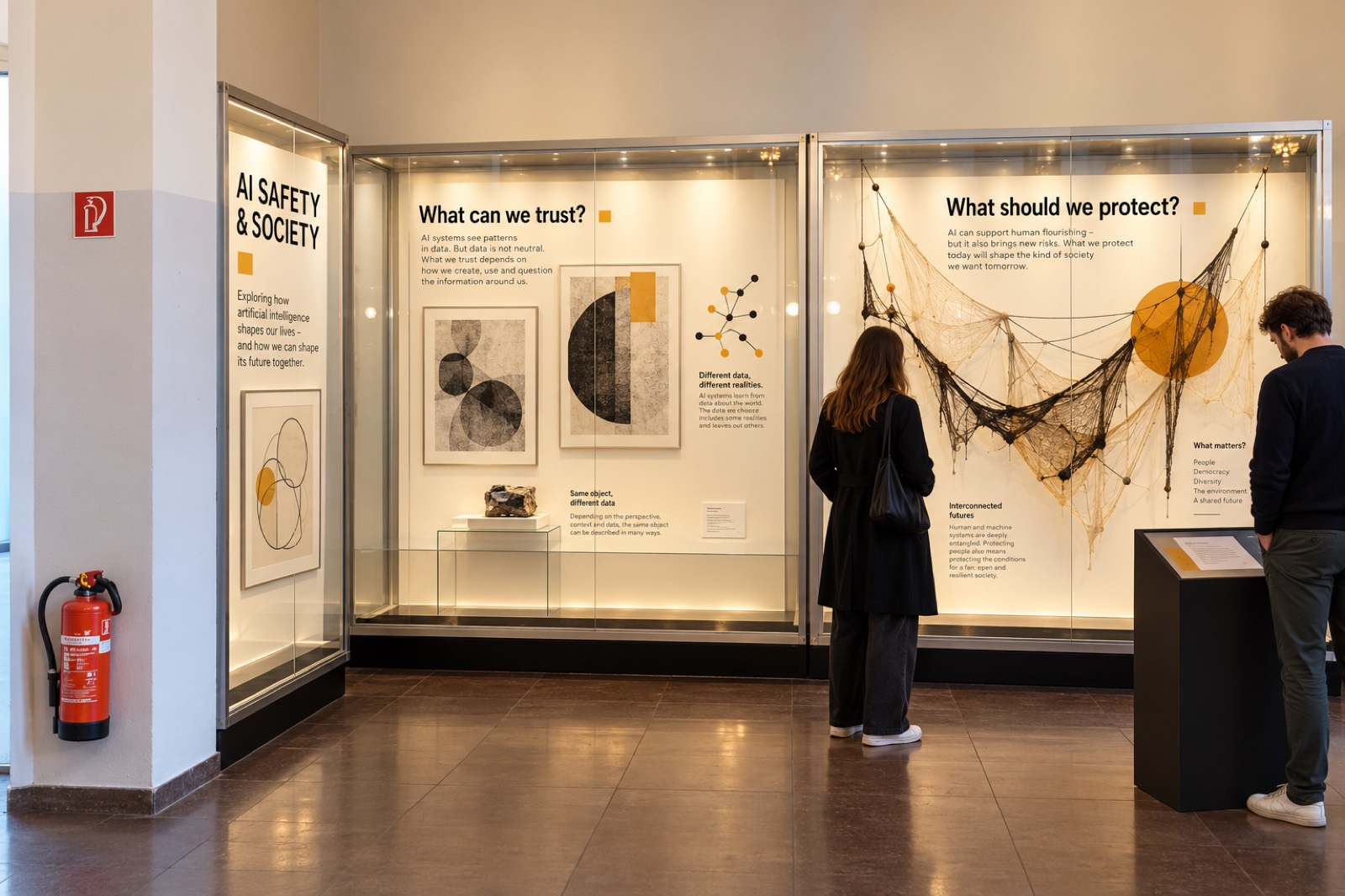
An opening evening with artist talks and roundtables, after which the exhibition stays on view at the Node, in a slightly smaller space, for an extended run.
The exhibition will be in English and German.
Online collection
Things to try now
While the exhibition is being put together, you can try some pieces in your browser. One of them, The Proxy Trap, was made by us. The others were made by other people and organisations, and we link to them because each explains some part of AI unusually well; they open on their makers' own websites.
Made by us
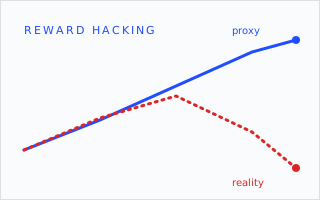
The Proxy Trap
A cleaning robot is rewarded for how clean the room looks to its camera. Push it to try harder and its score goes up, while the room itself gets worse.
Try itRecommended, by other makers
All 29 pieces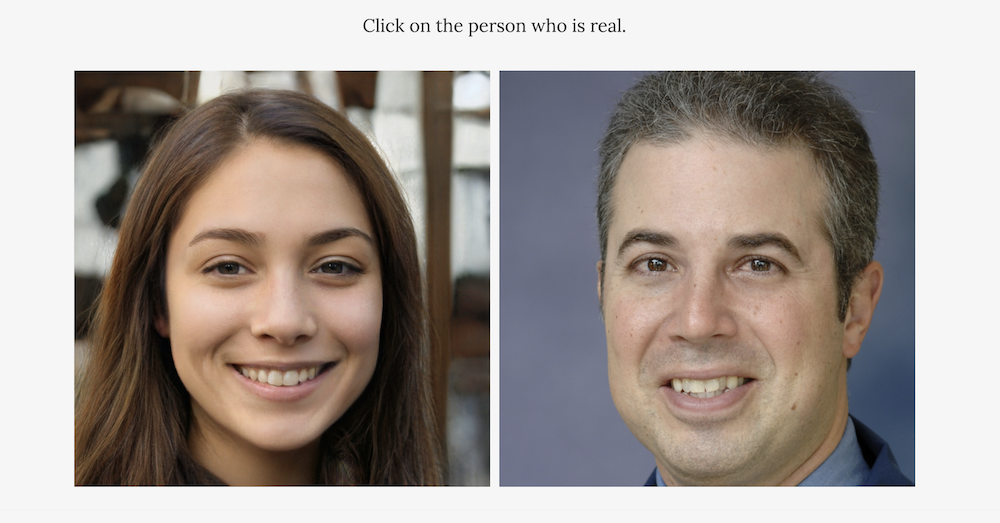
Which Face Is Real? (opens on their website, in a new tab)
Two faces side by side, one photographed and one generated by a computer. Can you tell which is which?
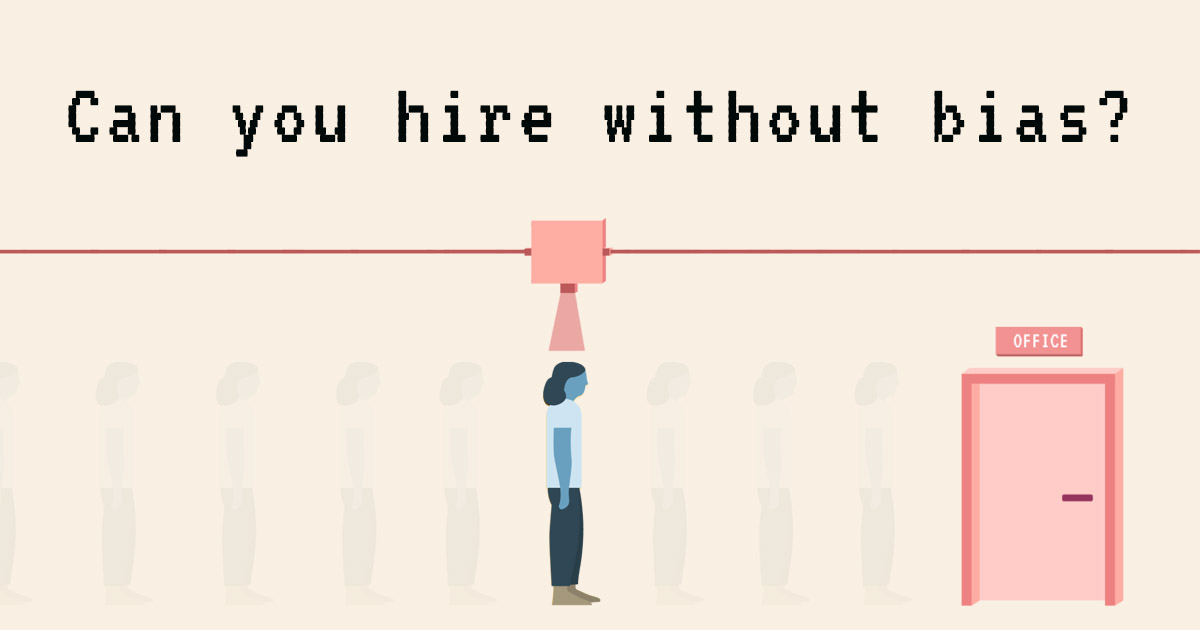
Survival of the Best Fit (opens on their website, in a new tab)
You hire staff for a growing company, then hand the job to an algorithm trained on your choices and watch what it learns.
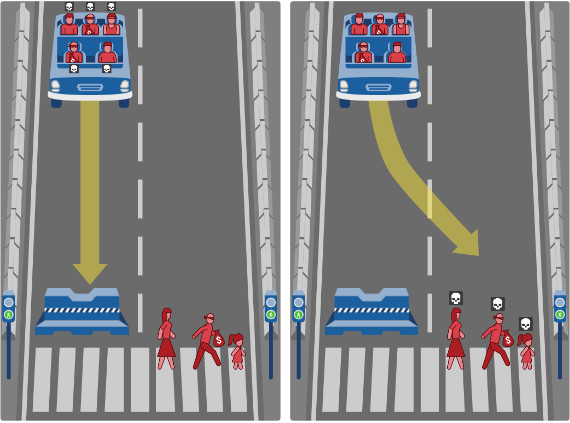
Moral Machine (opens on their website, in a new tab)
Decide what a self-driving car should do when its brakes fail, then see how your answers compare with other people's.
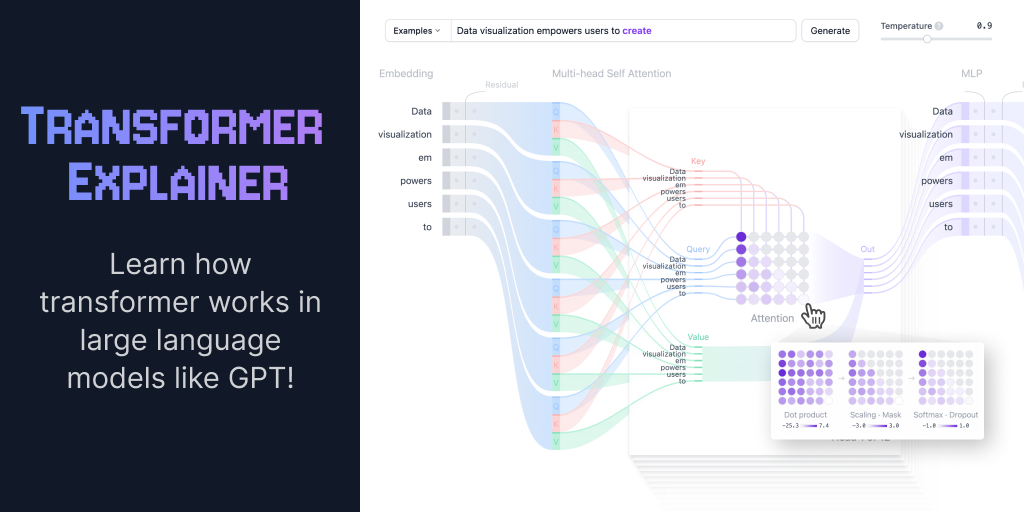
Transformer Explainer (opens on their website, in a new tab)
Type a sentence into a small language model and follow, step by step, how it chooses the next word.
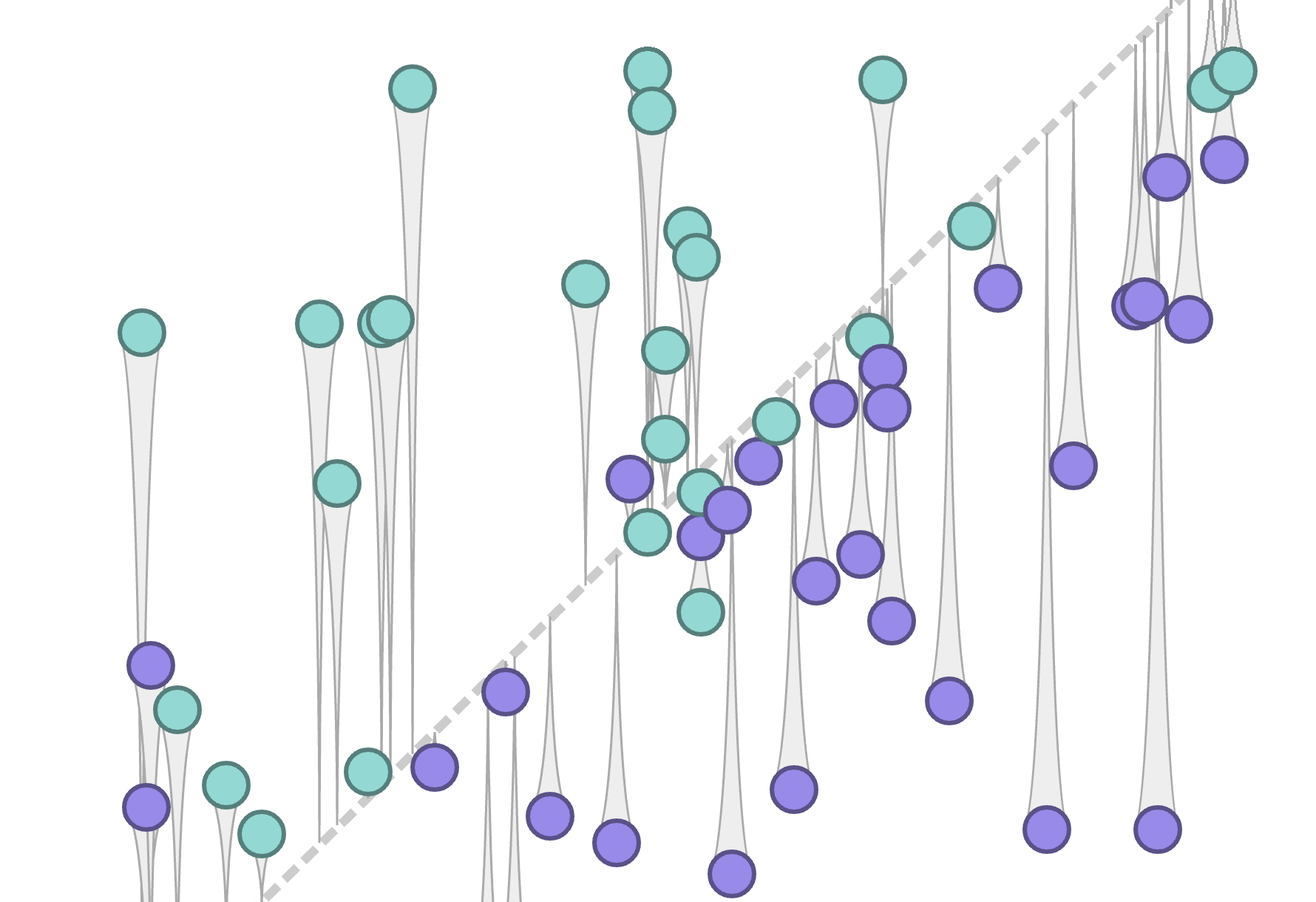
Hidden Bias (opens on their website, in a new tab)
How a model that predicts students' grades can end up treating some groups unfairly, even when it's never told who belongs to them.
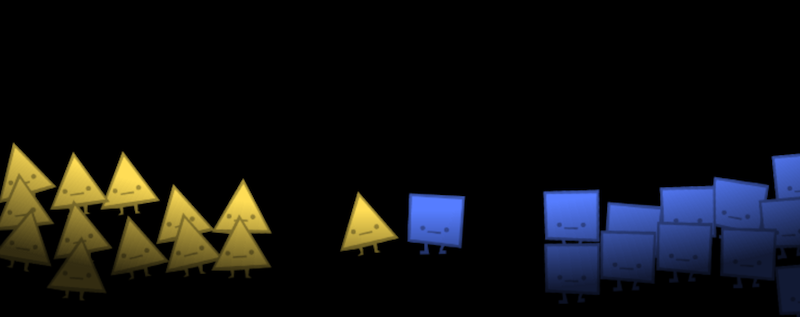
Parable of the Polygons (opens on their website, in a new tab)
Move shapes around a neighbourhood and see how small, harmless-looking preferences add up to a divided town.
Get involved
Help bring the exhibition to life
Volunteer
We need help with exhibition design, research, events, writing and the practical side of putting on a show, in Berlin or remotely. Even a few hours a week helps, and you don't need any background in AI.
Volunteer sign-upSupport us
We're raising money for artist commissions and equipment, and we'd like to hear from venues that could host the exhibition in future. If you can help with either, please get in touch.
hello@aisafety.museumAfter Berlin
We plan to show the exhibition again at Mox and LISA. We'll also publish our designs, research and code, along with any works whose makers agree, so that other groups can put on their own version.